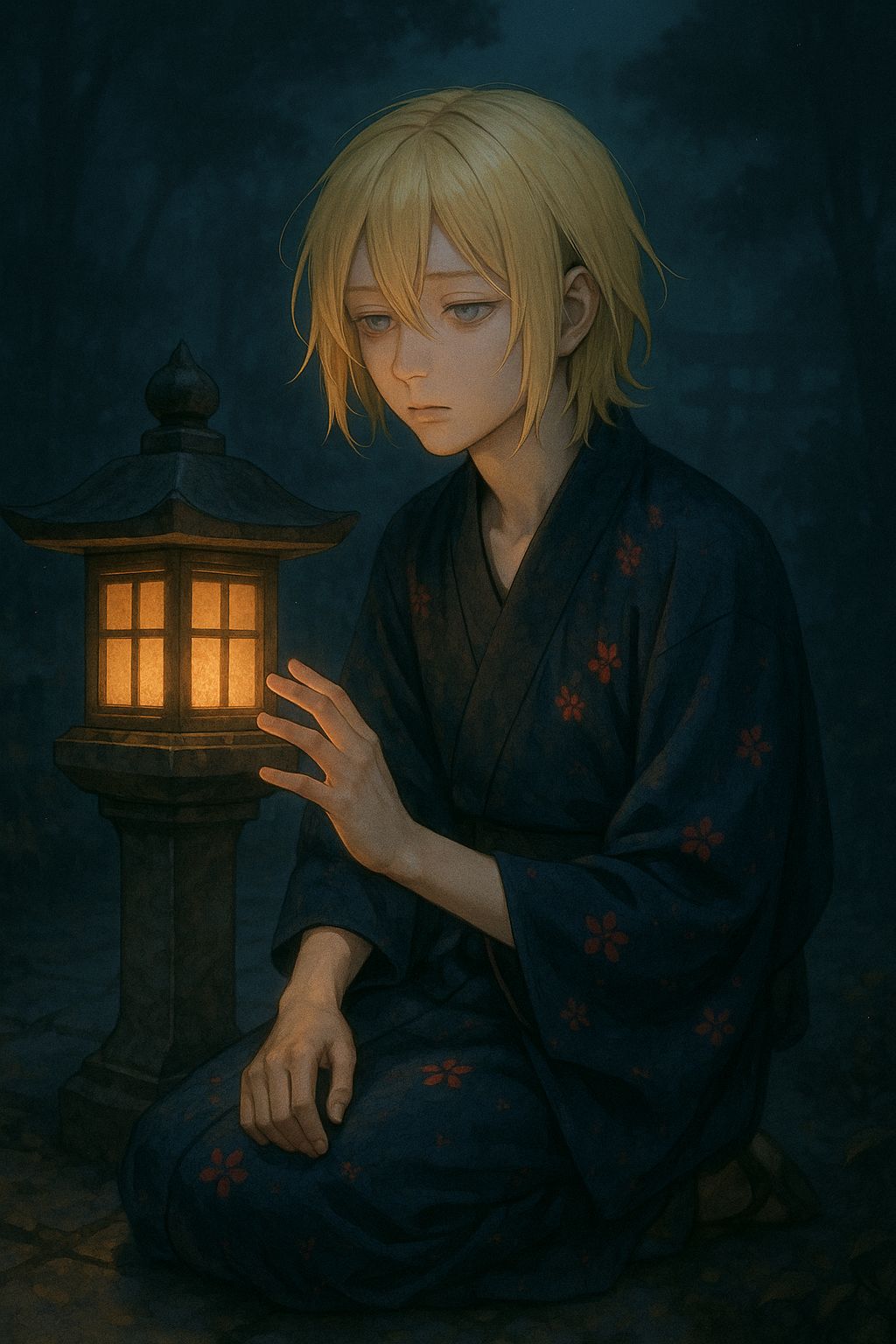
Yokai, the supernatural beings of Japanese folklore, appear everywhere in modern anime. They can be eerie, cute, mysterious or even comical, but they almost always carry a sense of “something beyond the human world.” Because yokai are so flexible in design and personality, they have become one of the most recognisable symbols of Japanese fantasy storytelling.
In traditional folklore, yokai were used to explain strange sounds at night, sudden illnesses, natural disasters or unspoken social fears. A shadow at the edge of the forest, a shape in the mist or a noise under the floor could all be given a name and a story. By personifying the unknown as a creature, people could talk about fear, taboo and desire in a symbolic way instead of directly.
Anime inherits this function but adapts it for a new era. Classic series like “GeGeGe no Kitaro” introduced generations of viewers to a wide variety of yokai, each with its own backstory and role. Some are frightening, but others are clumsy, friendly or misunderstood. This mixture of humour and horror makes yokai approachable even for children, while still leaving space for deeper themes about death, loneliness or prejudice.
More recent works present yokai not only as monsters, but as complex characters with emotions and conflicts. In series where humans and yokai coexist, the boundary between the two worlds becomes blurred. Viewers see yokai who struggle with identity, memory and relationships, just like humans do. This allows anime to explore questions such as what it means to belong, how to face the past and how to live alongside things we cannot fully understand.
The cultural background is also important. Yokai are closely tied to Japan’s view of nature as something alive and spiritually charged. Rivers, mountains, tools and even forgotten everyday objects can all gain a spirit in folklore. When anime uses yokai, it often reflects this idea that the world is filled with invisible presences. For international viewers, this offers a fresh perspective compared to Western fantasy, where supernatural beings are often divided clearly into good and evil.
At the same time, yokai designs in anime are strongly influenced by modern subcultures. Character goods, figure culture and fashion trends shape how yokai look and behave. Some yokai are reimagined as handsome boys or cute girls, while others are turned into mascot-like creatures. This fusion of old motifs and contemporary tastes keeps yokai visually attractive and easy to market, without completely losing their roots in folklore.
One reason yokai anime travel well overseas is that the emotions at the core of the stories are universal. Fear of the dark, nostalgia for childhood, the wish to be accepted and the pain of being different are feelings shared by people everywhere. Even if viewers do not know the original legends, they can still connect with a lonely yokai who wants a friend or a human protagonist who sees things others cannot.
For learners of Japanese culture, yokai anime can be a gateway. By following the characters’ relationships and conflicts, viewers naturally encounter traditional customs, seasonal events and regional beliefs. Curiosity about a specific yokai often leads to learning about local history, festivals or older works of art. In this way, anime becomes both entertainment and an informal cultural textbook.
Ultimately, the charm of yokai in Japanese anime lies in their dual nature. They are rooted in centuries-old stories, yet they continue to transform with each new generation of creators and fans. They embody fear and comfort, otherness and familiarity, tradition and pop culture. As long as anime keeps searching for new ways to talk about the unseen parts of human life, yokai will remain essential companions in that storytelling journey.


コメント